

How Often Should You Sharpen Your Mower Blades (and How to Do It)

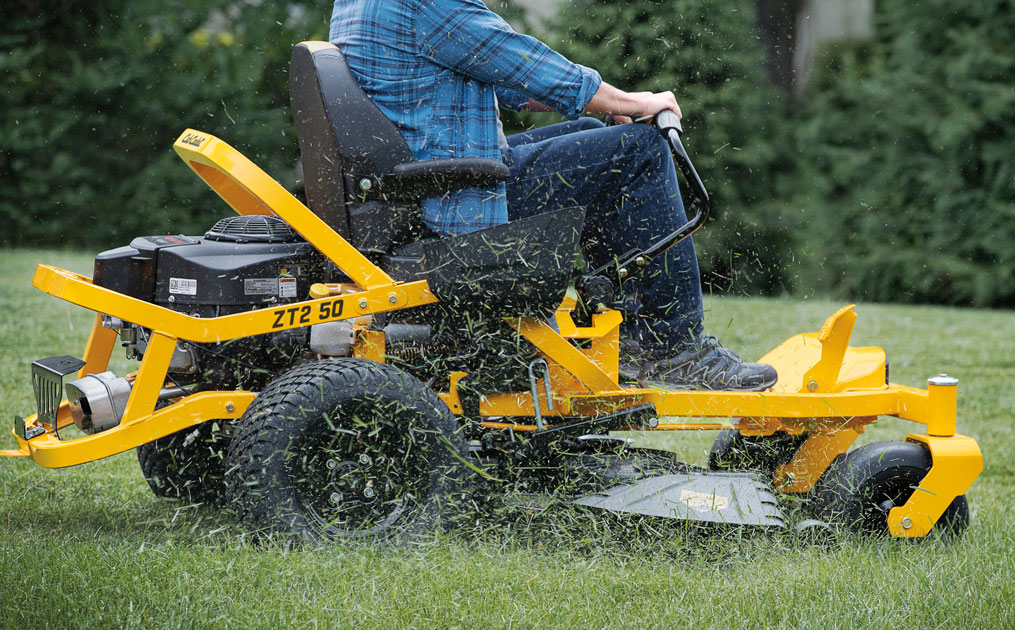
A sharp blade is one of the simplest, cheapest ways to improve how your lawn actually looks, and it’s one of the most commonly skipped maintenance tasks. A dull blade doesn’t cut grass so much as tear it, leaving ragged, brownish tips that make an entire lawn look unhealthy even when the grass itself is fine. Here’s how often to sharpen, how to tell when it’s time, and the basic process.
How Often to Sharpen
For most homeowners mowing a typical residential lawn, sharpening the blade once or twice per mowing season is a reasonable baseline, roughly every 20 to 25 hours of use. Mowing over rocks, roots, sandy soil, or debris dulls a blade faster than mowing well-maintained turf, so lawns with more obstacles or rougher terrain may need sharpening more frequently.
Signs Your Blade Needs Sharpening
- Grass tips look torn, ragged, or brownish within a day or two of mowing, rather than clean and green.
- The lawn looks uneven or patchy in color shortly after cutting, even though it was cut at a consistent height.
- The mower seems to be working harder than usual, bogging down more than it used to under the same conditions.
- Visible nicks, dents, or a rounded rather than sharp edge when you inspect the blade directly.
What You’ll Need
Sharpening a mower blade at home requires a few basic tools: work gloves, a wrench to remove the blade, a way to secure the blade for sharpening (a vise works well), a metal file or angle grinder, and a blade balancer to check the blade afterward. If you don’t want to sharpen it yourself, most equipment shops offer blade sharpening as a quick, inexpensive service.
The Basic Process
- Disconnect the spark plug before doing anything else, so the engine can’t accidentally start while you’re working near the blade.
- Tip the mower on its side as directed in the owner’s manual, usually with the air filter and carburetor facing up to prevent oil or fuel leaks.
- Remove the blade, noting its orientation so you can reinstall it correctly.
- Secure the blade in a vise and file or grind along the existing cutting edge angle, working in one direction rather than back and forth.
- Sharpen both cutting edges evenly to maintain balance, since an unevenly sharpened blade will vibrate excessively once reinstalled.
- Check the balance using a blade balancer, and remove a small amount of material from the heavier side if it doesn’t hang level.
- Reinstall the blade in the correct orientation and torque the bolt to the manufacturer’s specification.
When to Replace Instead of Sharpen
Not every blade is worth sharpening. Replace the blade instead if it’s visibly bent, cracked, has deep nicks that sharpening won’t fully remove, or has been sharpened down so many times that it’s noticeably thinner than a new blade. A damaged or overly worn blade can fail under the stress of normal use, so when in doubt, replacing is the safer option.
A Quick Reminder on Safety
Mower blades are sharp and mowers are heavy. Always disconnect the spark plug before any blade work, wear gloves throughout, and make sure the mower is stable and won’t tip further while you’re working underneath it.
If you’d rather skip the DIY route, or need a replacement blade for your specific model, our team can help you find the right part or point you toward sharpening service.