

Mulching vs. Bagging vs. Side Discharge: Which Cutting Mode Is Right for You

Most modern mowers can do all three, but switching to the right mode for your lawn and season makes a bigger difference in how your yard looks than almost any other single decision.
How Each Mode Works
- Mulching: the blade and deck are shaped to recut clippings into fine pieces that drop back into the turf as they fall.
- Bagging: clippings are pulled through the chute into an attached collection bag instead of returning to the lawn.
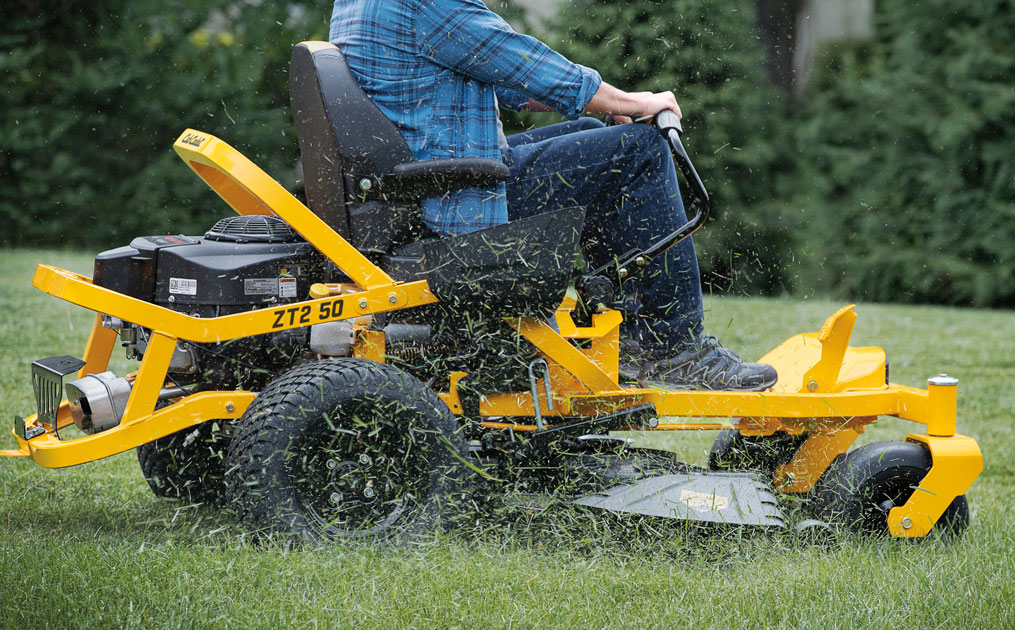
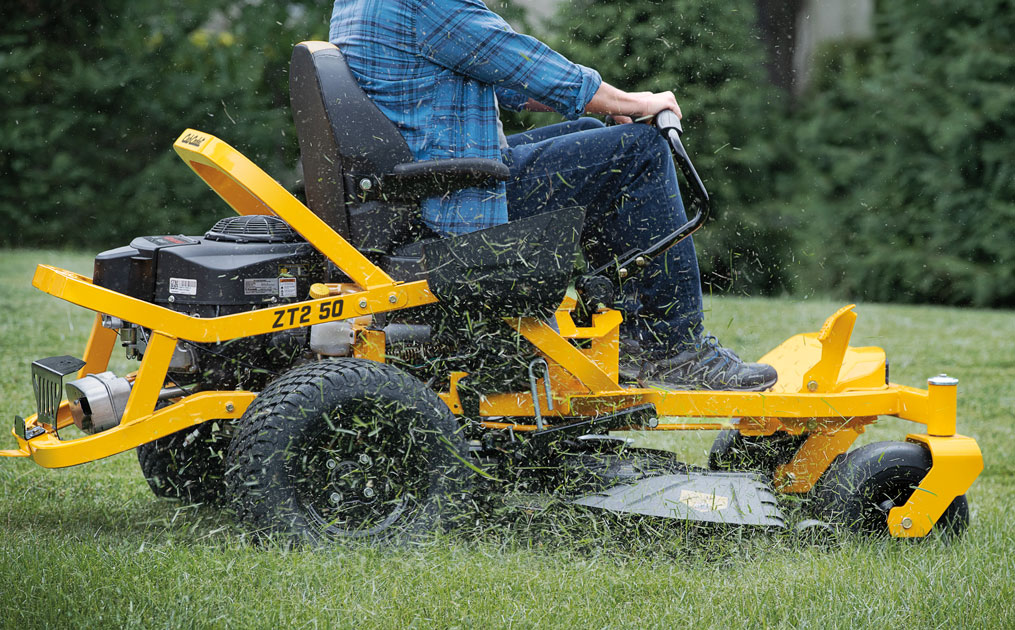
- Side discharge: clippings exit out the side of the deck onto the lawn surface in larger pieces, without recutting.
When Mulching Makes Sense
Mulching is best for regular mowing on a normal schedule. It returns nitrogen and organic matter to the soil, which can reduce fertilizer needs over a season. It struggles if grass is too tall or wet, since clippings clump instead of breaking down.
When Bagging Makes Sense
Bagging is best for the first cut after a long gap, a lawn with heavy leaf litter, or during peak seed-head season when clippings would otherwise leave visible clumps or spread weed seed. The tradeoff is more time spent emptying the bag.
When Side Discharge Makes Sense
Side discharge is the fastest option for very tall, thick, or wet grass that would clog a mulching deck. It’s commonly used on the first pass of an overgrown lawn before switching back to mulching for regular maintenance.
Can You Switch Between Modes
Most zero-turns and riding mowers use a removable plug or attachment to switch between mulching and side discharge, plus a separate bagger attachment for collection. Check your owner’s manual for what your specific deck supports.
If you’re deciding between deck and attachment options while shopping, our team can walk you through which combination fits how you actually plan to mow.