

End-of-Season Mower Storage: How to Winterize Your Equipment

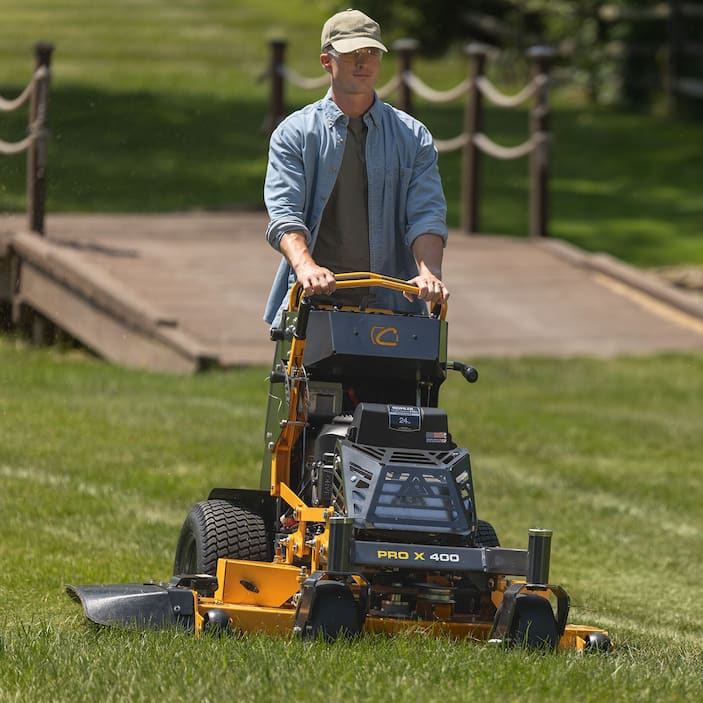
How a mower spends the off-season has a lot to do with how well it starts the following spring. Equipment that gets parked in a shed with fuel still in the tank, a dirty deck, and a battery left to drain over the winter is far more likely to give you trouble come the first warm week of the new season. Winterizing takes less than an hour and prevents most of the common start-of-season problems.
Deal With the Fuel First
Gasoline, especially ethanol-blended fuel, degrades over months of sitting unused, and old fuel is the single most common cause of hard starting in spring. You have two reasonable options: run the tank dry before storage, or add a fuel stabilizer and run the engine for a few minutes to circulate it through the system. Either approach works; the mistake to avoid is simply parking the mower with old, untreated fuel sitting in the tank and carburetor all winter.
Change the Oil
Used oil contains combustion byproducts and moisture that can sit in the engine and cause internal corrosion over a long storage period. Changing the oil at the end of the season, rather than waiting until spring, means the engine sits with clean oil all winter and is ready to go without a maintenance task standing between you and the first mow.
Clean the Deck and Undercarriage Thoroughly
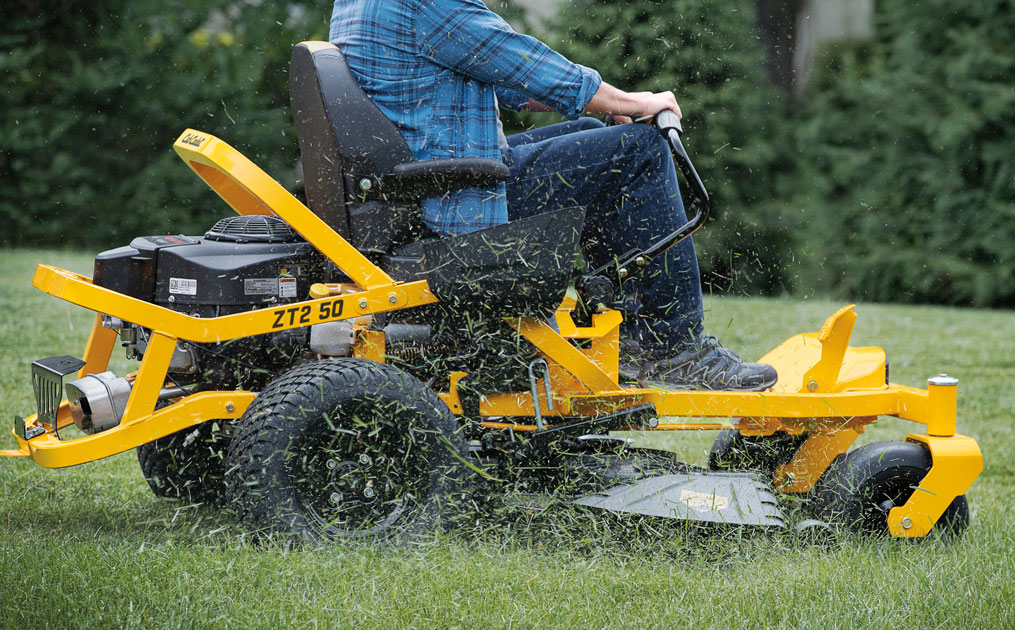
This is the last chance of the year to get built-up grass clippings and debris off the underside of the deck. Left in place over winter, this buildup holds moisture against the metal and accelerates rust. Scrape and hose out the underside, then let it dry completely before moving the mower into storage.
Sharpen or Replace the Blade
Sharpening the blade at the end of the season, rather than the beginning, means it’s ready to go the moment the grass starts growing again, and you’re not scrambling to find time for it during the busiest early-season stretch. If the blade is bent, cracked, or too worn to hold an edge, replace it now instead of hoping it makes it through one more spring.
Take Care of the Battery
Batteries lose charge naturally when sitting unused, and cold temperatures accelerate that drain. For mowers that will sit for the winter, either remove the battery and store it somewhere temperature-stable with a periodic trickle charge, or use a battery tender if the mower is stored in place. A battery left connected and untouched all winter is one of the most common reasons mowers won’t start on the first try in spring.
Check Tire Pressure Before Storage
Tires slowly lose pressure even when a mower isn’t being used, and starting the season with underinflated or unevenly inflated tires affects both handling and cutting height. Set tires to the recommended pressure before storage so you’re not troubleshooting an easily avoidable issue in spring.
Store It Somewhere Dry and Covered
Moisture is the enemy of long-term equipment storage. A dry shed, garage, or covered carport protects against rust and keeps rodents from nesting in the engine compartment, which is a surprisingly common source of chewed wiring and clogged air filters discovered the following spring. If indoor storage isn’t available, a quality mower cover is a worthwhile investment.
A Simple End-of-Season Checklist
- Fuel drained or stabilized
- Oil changed
- Deck and undercarriage cleaned and dried
- Blade sharpened or replaced
- Battery removed or maintained with a tender
- Tire pressure checked
- Mower stored dry and covered
Spending an hour on this checklist in the fall consistently saves more time than it costs, both in spring troubleshooting and in the mower’s long-term lifespan. If you run into any part that needs replacing while winterizing, our team can help you find the right one for your specific model before the season closes out.