

Understanding Cutting Deck Sizes: What’s Right for Your Lawn

Cutting deck size is one of those specs that’s easy to skim past when comparing mowers, but it has more effect on your actual mowing experience than almost any other single feature. A deck that’s too small for your property means more passes and more time; a deck that’s too large can be clumsy around tight corners and landscaping. Here’s how to think about it.
What Deck Size Actually Means
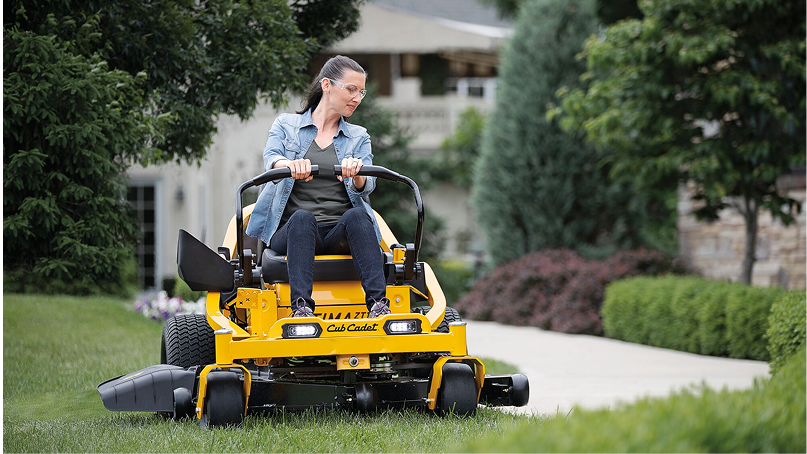
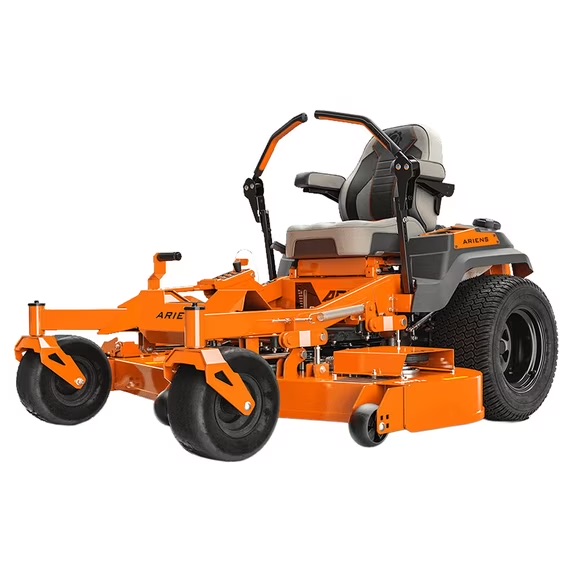
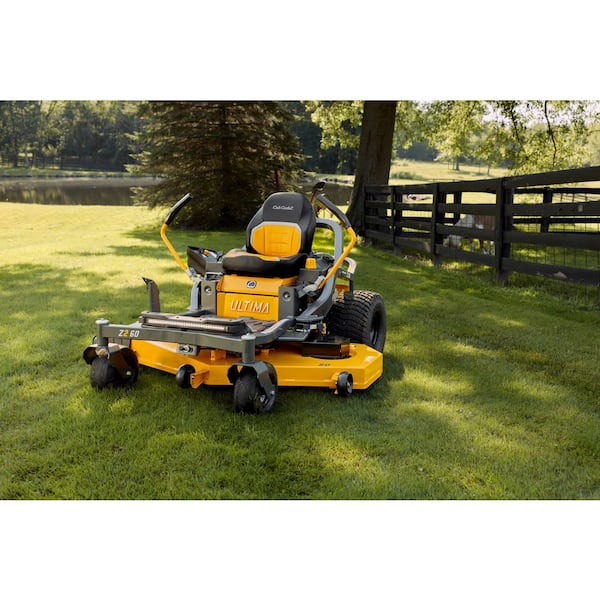
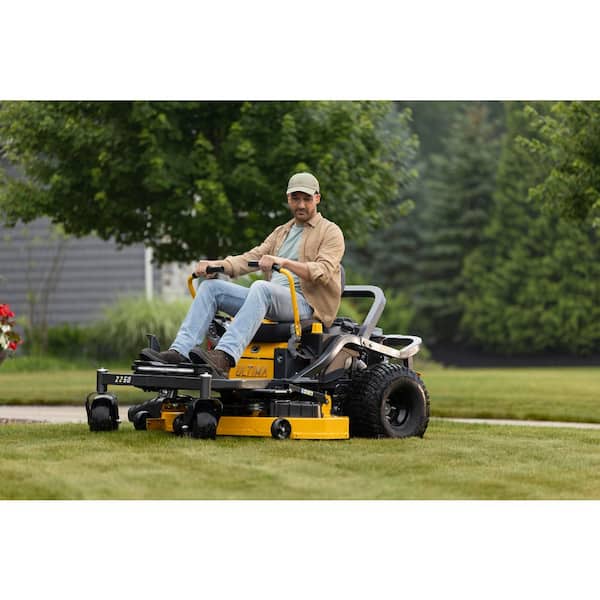
Deck size refers to the width of the cutting path the mower makes in a single pass, typically measured in inches. A 21-inch deck is standard on most push mowers, while riding mowers commonly range from 42 to 54 inches, and zero-turn mowers often run from 42 inches up to 60 inches or more on commercial-grade models. The wider the deck, the fewer passes it takes to cover the same area.
Matching Deck Size to Property Size
As a general guide:
- Under a quarter acre: A 21-inch push mower deck is typically sufficient and easier to maneuver in smaller spaces.
- A quarter acre to one acre: A 42 to 46-inch deck on a riding mower balances coverage with maneuverability.
- One to three acres: A 46 to 54-inch deck, riding or zero-turn, starts to meaningfully reduce mowing time.
- Three acres and up: A 54 to 60-inch or larger deck, usually on a zero-turn, is where the time savings become significant on a weekly basis.
The Tradeoff: Coverage vs. Maneuverability
A wider deck covers more ground per pass, but it also makes the mower less nimble around trees, garden beds, fences, and other obstacles. Properties with lots of tight spaces and landscaping often mow more efficiently with a moderately sized deck and a tighter turning radius than with the widest deck available, since time saved in open areas can be lost maneuvering a too-large mower around obstacles.
Deck Material and Durability
Deck size isn’t the only spec worth considering. Deck material affects long-term durability: stamped steel decks are common and affordable but more prone to denting and rust over time, while fabricated steel decks are thicker, more durable, and typically found on higher-end and commercial-grade mowers. If you’re mowing regularly over many seasons, deck construction is worth weighing alongside size.
Cutting Height Range
Alongside width, check the deck’s height adjustment range. Different grass types and seasons call for different cutting heights, generally higher in the heat of summer and during periods of drought stress, and a deck with a wide adjustment range gives more flexibility to manage lawn health throughout the year rather than being locked into a narrow range of heights.
Deck Shape and Discharge Options
Most decks support side discharge, and many also offer mulching and rear-bagging options, either built in or as attachments. Mulching decks are worth considering if you want to return nutrients to the lawn rather than bagging clippings, though this depends on how frequently you mow and how much clipping volume you’re comfortable leaving on the lawn.
Bottom Line
The right deck size comes down to balancing your property’s total area against how much obstacle navigation it requires. Bigger isn’t automatically better if your yard has tight corners and dense landscaping, and a too-small deck on a large, open property means unnecessary time spent mowing every single week. If you’re not sure where your property falls, our team can help you match deck size to your specific layout before you commit to a model.