

Zero-Turn vs. Riding Lawn Tractor: Which Is Right for Your Property

Once you’ve decided you need something bigger than a push mower, the next question is almost always the same: riding mower or zero-turn? Both are built for properties too large for a push mower to handle comfortably, but they’re designed around different priorities, and the wrong choice can mean paying for speed you don’t need, or leaving speed on the table that would have saved you hours every month.
How They’re Actually Different
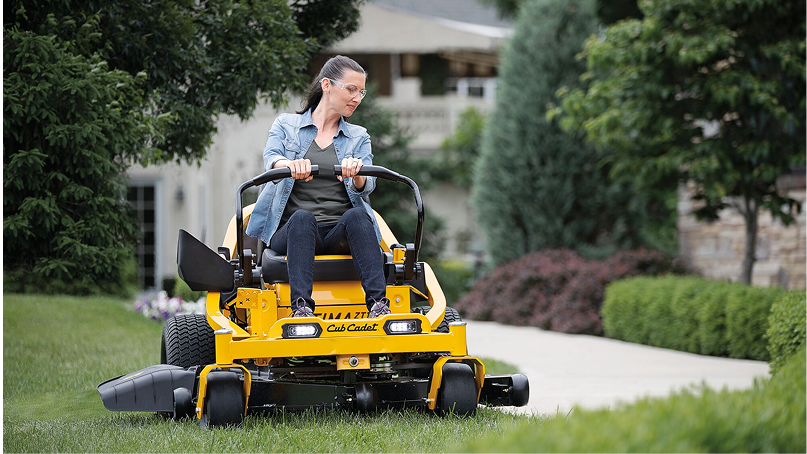
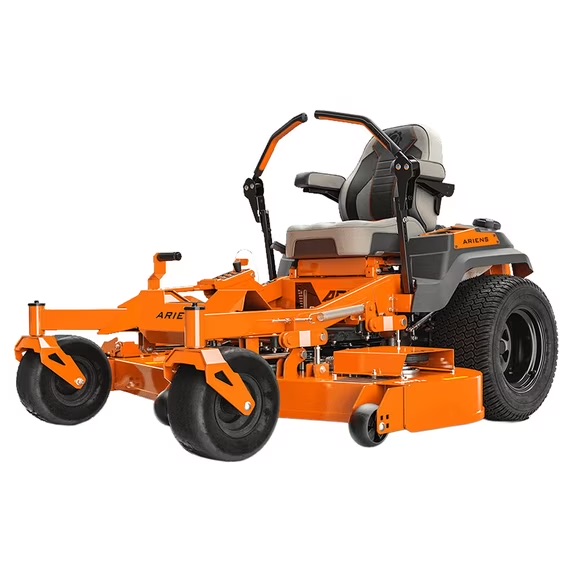
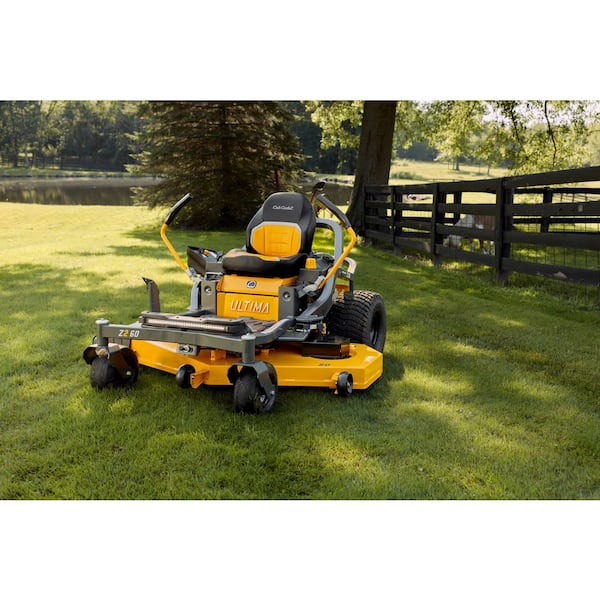
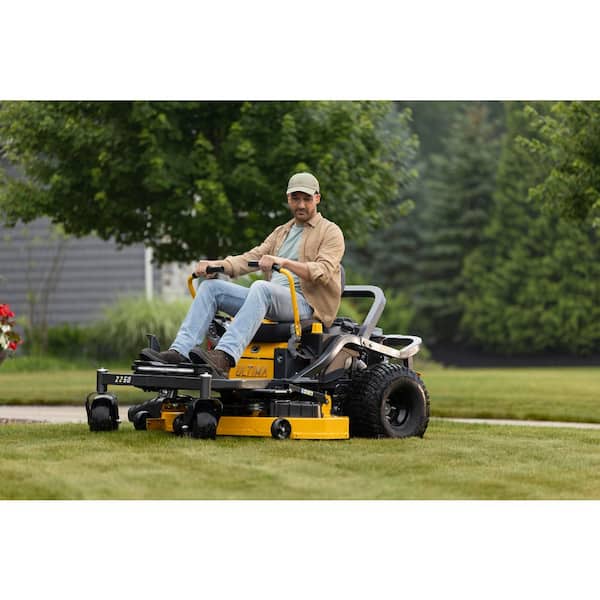
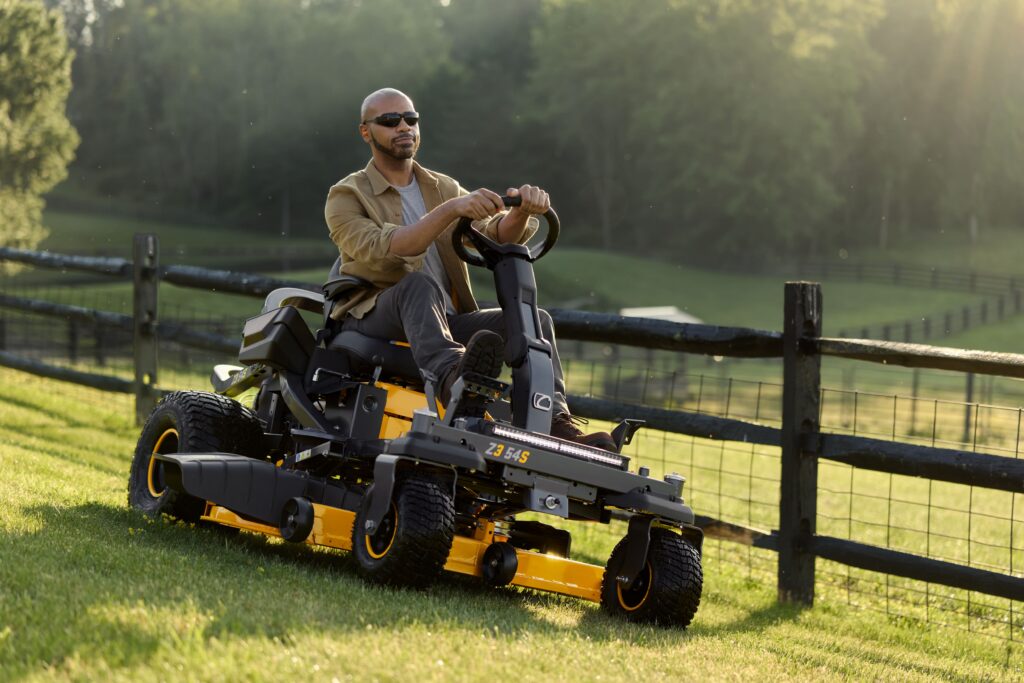
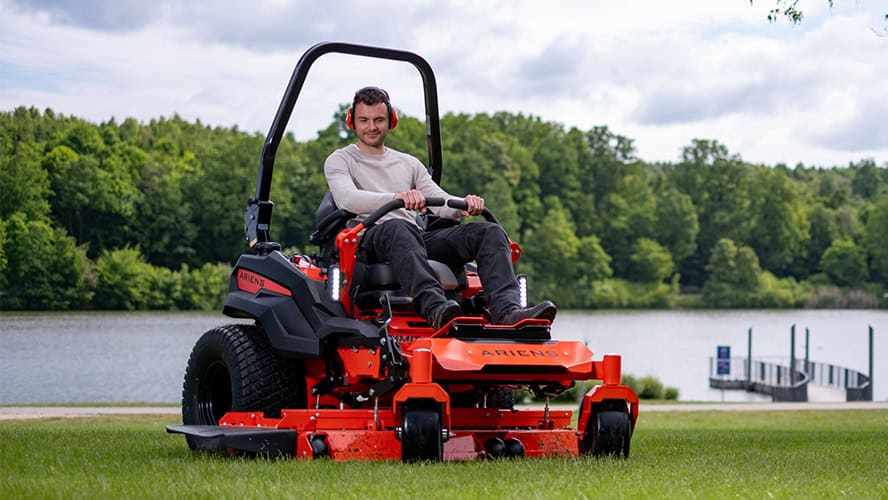
A riding mower, often called a lawn tractor, steers with a steering wheel and works much like driving a small car. A zero-turn mower steers with two levers, one per rear wheel, letting each side move independently, which is what allows it to spin in place. That single difference in steering mechanism is responsible for nearly every other difference between the two categories.
Speed and Efficiency
Zero-turn mowers are faster, often significantly so, both in top speed and in how efficiently they cover ground. Because they can pivot in place, they don’t need to slow down and execute a three-point turn around every tree or flower bed the way a riding mower does. On a large, relatively open property, this adds up to real time savings, sometimes cutting total mowing time by a third or more compared to a riding mower covering the same acreage.
Handling Slopes and Uneven Ground
This is where riding mowers tend to have the advantage. Their four-wheel, steering-wheel design generally feels more stable on moderate slopes and uneven terrain, and many homeowners find them easier to control on hilly ground. Zero-turn mowers can handle mild slopes fine, but manufacturers are typically more conservative about the maximum grade they recommend, and the learning curve on hills is steeper. If your property has meaningful grade changes, check the specific slope rating for any mower you’re considering rather than assuming one category is automatically safer than the other.
Maneuvering Around Obstacles
Properties with lots of trees, garden beds, fence lines, or other landscaping tend to favor zero-turn mowers precisely because of that pivot-in-place ability. Riding mowers need more room to turn around, which can mean extra passes, more three-point maneuvers, and more time spent trimming by hand afterward around anything the mower’s turning radius couldn’t reach cleanly.
Learning Curve and Comfort
Riding mowers are more intuitive for most first-time buyers since the steering wheel setup feels familiar right away. Zero-turn mowers take some practice, usually a mowing session or two, before the lever steering feels natural. Once that adjustment period passes, most owners find zero-turns comfortable and even prefer the tighter control, but it’s worth factoring in if multiple family members with different comfort levels will be using the mower.
Attachments and Versatility
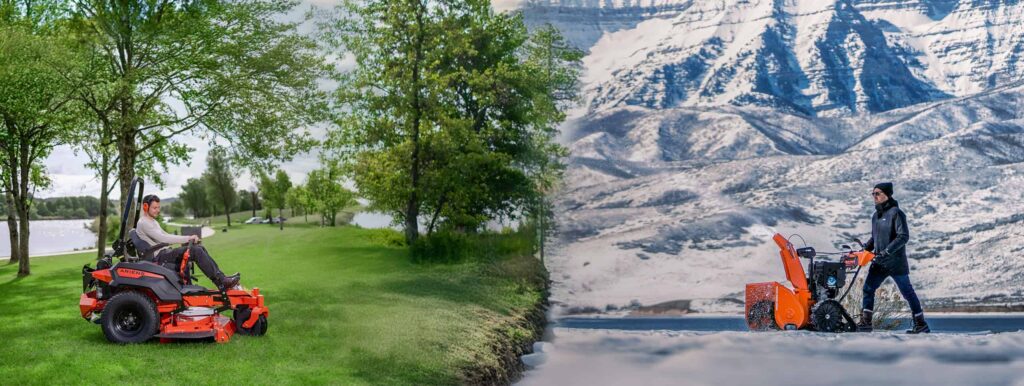
Riding mowers generally support a wider range of attachments, carts, tillers, aerators, snow blades, and dethatchers among them, making them a more versatile year-round property tool beyond just mowing. Zero-turn mowers are more purpose-built for cutting grass efficiently, with a narrower (though growing) range of compatible attachments depending on the model and manufacturer.
Price Considerations
Entry-level riding mowers are typically less expensive than entry-level zero-turns, though the gap narrows considerably at the mid-range and disappears at the high end, where premium riding mowers and zero-turns can be priced similarly. If budget is the deciding factor, a riding mower usually gets you into a machine sooner, while a zero-turn often represents a bigger upfront investment that pays off through time saved on larger properties.
Which One Is Right for You
- Choose a riding mower if: your property has hills or uneven terrain, you want attachment versatility beyond mowing, you’re newer to lawn equipment and want an intuitive learning curve, or budget is the primary constraint.
- Choose a zero-turn if: your property is three or more acres and largely open, you have many obstacles to navigate around, mowing time is a real weekly cost you want to minimize, and you’re comfortable investing more upfront for long-term time savings.
Neither mower is objectively better, they’re built for different priorities. If you’re weighing the decision for your specific property, our team can talk through your yard’s layout, terrain, and how often you’ll be mowing to help point you toward the right category before you start comparing individual models.