

Battery-Powered vs. Gas-Powered Mowers: Pros and Cons

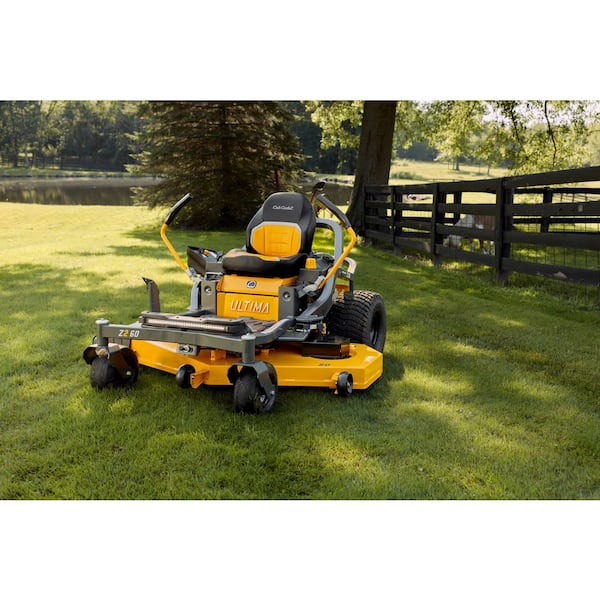
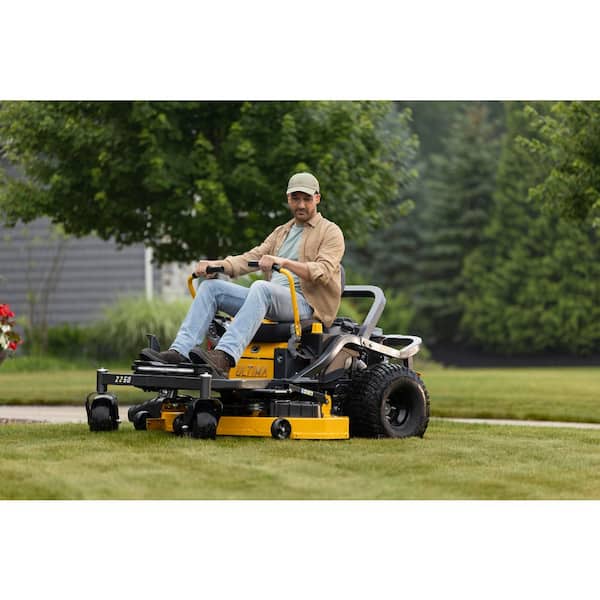
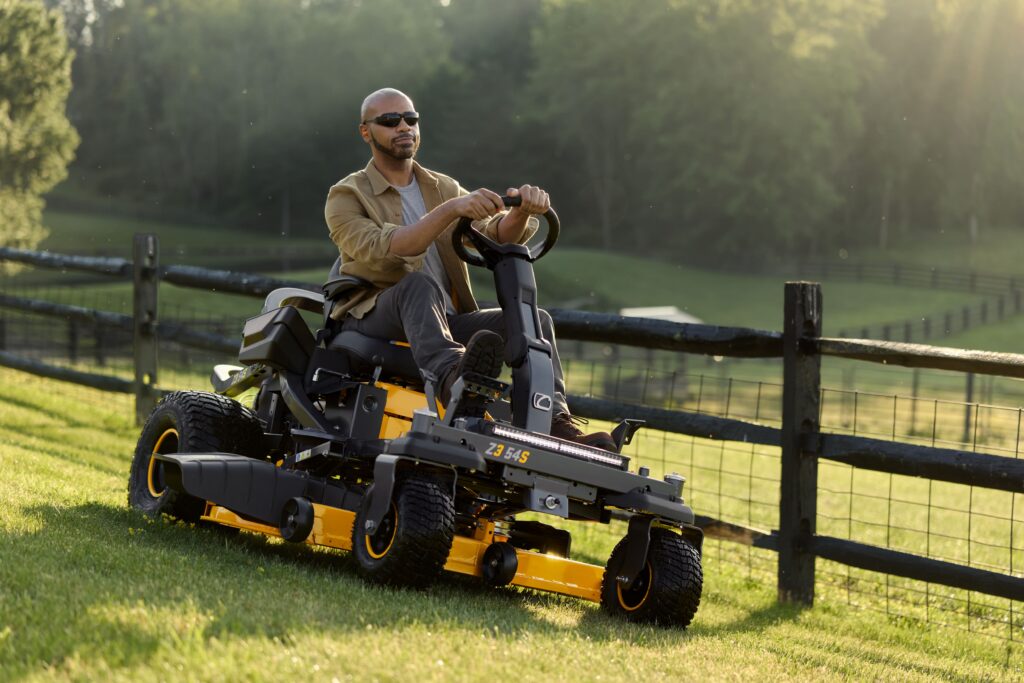
Battery-powered mowers have improved dramatically over the last several years, closing much of the performance gap that used to separate them from gas engines. That’s made the choice between battery and gas a genuinely close call for a lot of homeowners rather than the easy decision it once was. Here’s how the two compare on the factors that matter most.
Power and Performance
Gas engines still generally hold the edge in raw power, particularly for thick, tall, or wet grass and for larger properties where a mower runs continuously for extended periods. Battery mowers have closed much of this gap for typical residential lawns and handle most standard mowing conditions well, but they can lose some cutting performance in especially dense or overgrown grass compared to a comparable gas engine.
Runtime and Refueling
Gas mowers refuel in minutes and can run all day as long as fuel is available. Battery mowers are limited by charge, typically anywhere from 30 minutes to over an hour depending on the battery and mower, and recharging takes considerably longer than refueling with gas. For larger properties or all-day mowing sessions, this makes gas the more practical option unless you’re prepared to swap between multiple charged batteries.
Noise and Emissions
This is where battery mowers clearly win. They run significantly quieter than gas engines, which matters if you mow early in the morning or live somewhere with close neighbors, and they produce zero direct emissions during use. Gas mowers are louder and produce exhaust emissions, though they remain the more practical choice for heavy-duty or extended use.
Maintenance Requirements
Battery mowers require noticeably less routine maintenance. There’s no oil to change, no spark plug or air filter to replace, and no carburetor to worry about after sitting unused. Gas mowers require regular oil changes, periodic spark plug and air filter replacement, and can develop starting issues if fuel sits too long, all maintenance that battery mowers largely eliminate.
Upfront Cost and Long-Term Value
Battery mowers, particularly the mower and battery bundled together, often carry a higher upfront price than a comparable gas mower, though prices have been coming down as the technology matures. Over the long term, battery mowers save money on fuel and routine maintenance, while gas mowers cost less initially but carry ongoing costs for gas, oil, and replacement parts. Batteries themselves also degrade over years of use and eventually need replacing, which is a cost worth factoring into the long-term comparison.
Storage and Portability
Battery mowers are typically lighter and simpler to store since there’s no fuel to worry about, no risk of spills, and no need to run the tank dry before long-term storage. Gas mowers are usually heavier and require the fuel-related winterizing steps covered in our end-of-season storage guide.
Which Makes Sense for You
- Choose gas if: you have a larger property, thick or frequently overgrown grass, and want to avoid managing battery charge and swaps.
- Choose battery if: you have a small to mid-size lawn, value low noise and low maintenance, and don’t need to mow for hours at a stretch without a break.
Both are legitimate choices today in a way that wasn’t true a decade ago. If you’re weighing the decision for your specific lawn and mowing habits, our team can help you compare specific models side by side to see which fits your situation best.